

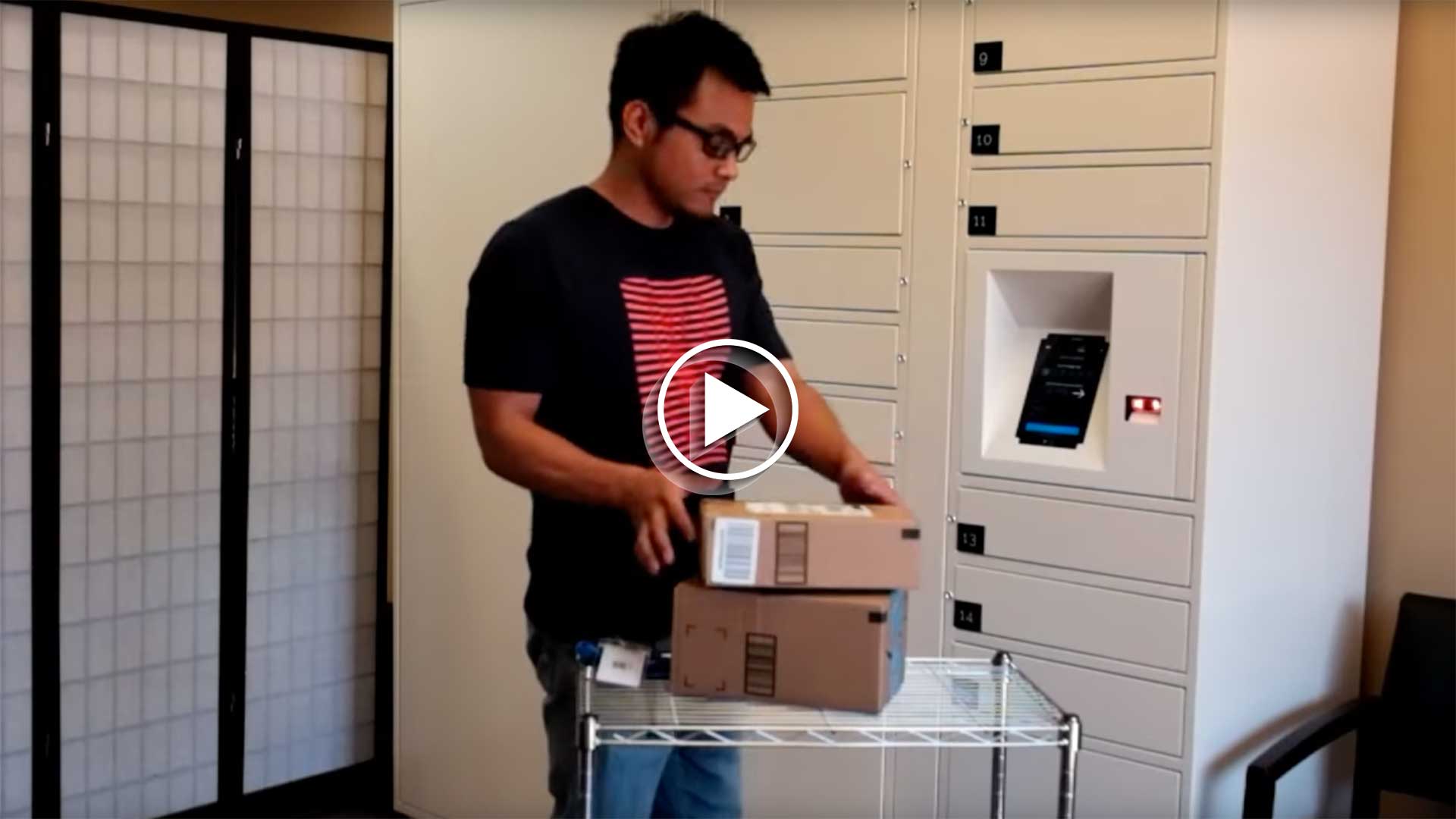
Installing Automated Package Delivery Boxes (Smart Lockers) requires careful planning and execution. Learn site prep, integration, and operational setup for efficient parcel management.

Implementing Automated Package Delivery Boxes (Smart Lockers) offers a robust solution for managing package deliveries in various settings, from multi-family residences to retail locations and corporate campuses. Our experience shows that a successful installation goes beyond simply placing units; it demands meticulous planning, technical acumen, and a clear understanding of user needs. This critical infrastructure improves security, reduces missed deliveries, and streamlines operational workflows for staff.
Overview
- Proper site selection and preparation are fundamental for the longevity and functionality of smart locker systems.
- Power, network connectivity, and physical space are essential infrastructure requirements for installation.
- Software integration with existing property management or access control systems is often a complex, yet vital, step.
- Thorough testing and staff training are crucial for ensuring smooth day-to-day operation post-installation.
- Compliance with local regulations and safety standards should be a core consideration throughout the project.
- Ongoing maintenance and user support mechanisms are necessary to uphold system reliability and user satisfaction.
Site Selection and Preparation for Automated Package Delivery Boxes (Smart Lockers)
The initial phase of installing Automated Package Delivery Boxes (Smart Lockers) is site assessment. This involves evaluating potential locations for optimal accessibility, visibility, and security. We prioritize areas that are well-lit, protected from extreme weather, and easily reachable by delivery carriers and recipients. Furthermore, the chosen site must accommodate the physical footprint of the locker modules without obstructing pedestrian traffic or emergency exits.
Beyond physical space, critical infrastructure considerations include power and network connectivity. Each locker system requires a dedicated power outlet, ideally on its own circuit, to prevent disruptions. Reliable internet access, typically wired Ethernet, is paramount for the locker’s communication with the central management software. In some cases, cellular modems can serve as a backup or primary connection where wired options are impractical. We also account for potential future expansion, ensuring there is room for additional modules if package volume increases. Proper surface leveling and securing the units to the ground or wall are standard safety protocols during physical setup.
Technical Integration of Automated Package Delivery Boxes (Smart Lockers)
Integrating Automated Package Delivery Boxes (Smart Lockers) into existing property management or access control systems presents unique technical challenges. Our objective is always to create a seamless user experience, which often means tying the locker system to resident databases or employee directories. This allows for automated user registration and notification processes. Application Programming Interfaces (APIs) are frequently utilized for this data exchange, requiring collaboration between the locker vendor’s technical team and the client’s IT department.
The integration process typically involves configuring user authentication methods, such as key fobs, mobile apps, or PIN codes. We meticulously test these interfaces to ensure data accuracy and real-time synchronization. For example, when a resident moves out in a multi-family building, their locker access should be immediately revoked. Ensuring data security and privacy compliance, especially with regulations like GDPR or CCPA in the US, is non-negotiable. Establishing secure network connections and robust data encryption protocols are standard practices to protect sensitive user information.
Operational Readiness for Package Locker Systems
Achieving operational readiness for new package locker systems involves several key steps beyond the physical installation and technical integration. Training staff members on the system’s daily functions is paramount. This includes instructing them on how to manage exceptions, troubleshoot minor issues, and assist users with common queries. A well-prepared staff can address recipient concerns efficiently and maintain system uptime.
Developing clear procedures for package handling, particularly for oversized items or those requiring refrigeration, is also vital. We help clients establish protocols for when carriers drop off packages and how recipients retrieve them. This includes creating user guides and frequently asked questions (FAQs) for residents or employees. Furthermore, setting up a proactive maintenance schedule for the locker units, including cleaning and routine checks of hardware components, ensures long-term reliability. Regular software updates are also part of this ongoing operational support, maintaining system security and functionality.
Post-Installation Management of Automated Package Delivery Boxes (Smart Lockers)
Once the Automated Package Delivery Boxes (Smart Lockers) are operational, effective post-installation management is crucial for sustained success. This phase involves continuous monitoring of system performance and user adoption rates. We track metrics such as locker utilization, package dwell times, and any reported issues to identify areas for optimization. Feedback from both delivery carriers and end-users provides valuable insights into potential improvements or necessary adjustments to workflows.
Ongoing maintenance routines are established to prevent downtime and extend the lifespan of the equipment. This includes regular cleaning, software updates, and hardware checks. We also maintain a direct line of communication with our clients to offer technical support and address any operational challenges promptly. For instance, if a specific locker door jams, a rapid response team is dispatched. Furthermore, we help clients adapt their locker system as their needs evolve, perhaps by adding more modules or implementing new software features. This proactive management approach ensures the investment in smart locker technology continues to yield benefits.