

Expert solutions for Musikproduktion KI Software. Real-world insights on AI tools for creators, from composition to mixing. Achieve professional sound.
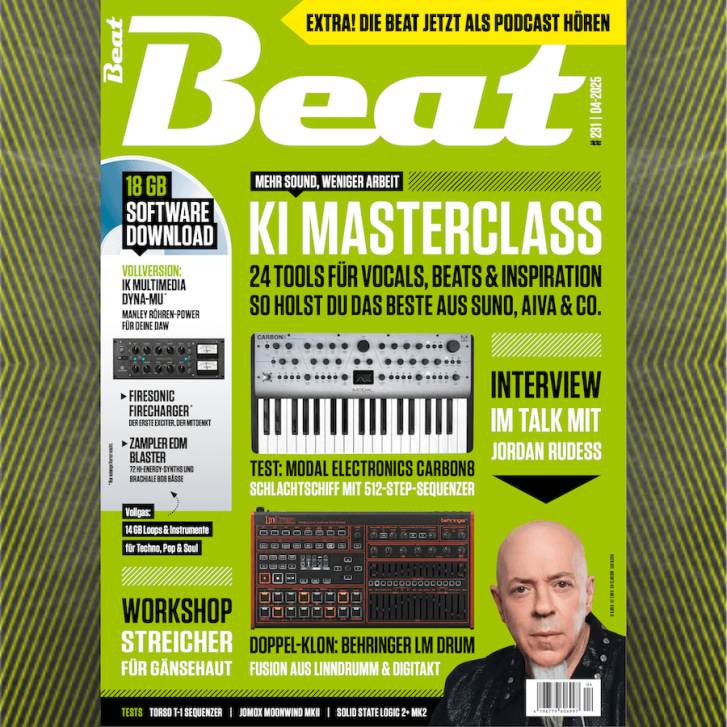
The integration of artificial intelligence into music production has reshaped workflows for creators worldwide. From independent artists to major studio professionals in the US, Musikproduktion KI Software is no longer a niche tool. It has become a powerful assistant, offering innovative solutions for various stages of the creative process. My experience, spanning years in audio engineering and music technology, confirms its growing relevance. These tools provide opportunities for enhanced creativity and efficiency, addressing common production challenges directly.
Overview
- Musikproduktion KI Software significantly influences modern music creation.
- AI tools assist in composition, arrangement, mixing, and mastering tasks.
- Practical applications include generating melodies, refining vocal tracks, and creating drum patterns.
- Workflow integration helps producers streamline their projects and save time.
- Choosing the right software involves evaluating features, user interface, and compatibility.
- The future of AI in music production raises important questions about ethics and originality.
- Expert users prioritize tools that offer clear creative control alongside AI assistance.
The Evolving Landscape of Musikproduktion KI Software
The landscape of Musikproduktion KI Software is dynamic and rapidly expanding. Initially, AI applications in music were often experimental, focusing on basic algorithmic composition. Today, they span a wide range of functionalities. These include advanced melody and chord generation, intelligent mixing assistants, and even AI-powered mastering solutions. Developers continue to push boundaries, creating tools that are more intuitive and deeply integrated into digital audio workstations (DAWs). This evolution means producers can now experiment with ideas that were previously time-consuming or technically demanding.
For example, some AI tools can analyze musical patterns and suggest harmonic progressions that fit a specific genre or mood. Others can deconstruct existing audio, isolating elements like vocals or drums with impressive accuracy. This capability is invaluable for remixing or sampling. The sheer variety of available software means that almost every aspect of music creation has an AI counterpart, ready to assist or inspire. Understanding these diverse offerings is crucial for any producer looking to stay current.
Practical Applications and Workflow Integration
Integrating AI into a music production workflow typically involves specific tasks where automation or suggestion can accelerate the process. For instance, an AI-powered plugin might analyze a vocal track and automatically suggest de-essing or compression settings. This saves valuable time that would otherwise be spent manually adjusting parameters. Another common application is in beat generation. Producers can input basic parameters, and the AI will create complex, evolving drum patterns.
AI can also help overcome creative blocks. If a songwriter struggles with a melody, a Musikproduktion KI Software tool might generate several unique ideas based on existing track elements. These are not meant to replace human creativity but to serve as starting points. In mixing, AI tools can help balance levels, apply intelligent EQ, or even create a cohesive soundstage. Mastering engineers use AI to achieve consistent loudness and polish across an album, ensuring a professional output without extensive manual tweaking.
Selecting the Right Musikproduktion KI Software for Your Needs
Choosing the appropriate Musikproduktion KI Software requires careful consideration of individual workflows and creative goals. Not all AI tools are created equal, and their effectiveness varies depending on the specific task. A producer focused on electronic music might prioritize AI sequencers or sound design generators. Conversely, a composer for film might seek tools that assist with orchestral arrangement or harmonic development. It’s important to evaluate the software’s ability to integrate seamlessly with existing DAWs and plugins.
User experience is another critical factor. An intuitive interface allows for quick learning and efficient use, preventing creative interruptions. Reviewing demo versions or free trials is a practical step before committing to a purchase. Furthermore, support for different audio formats and operating systems plays a role. Ultimately, the best Musikproduktion KI Software is one that complements a producer’s existing skillset, expands their creative horizons, and fits within their budget without unnecessary complexity.
Future Trends and Ethical Considerations in Musikproduktion KI Software
The future of Musikproduktion KI Software promises even more sophisticated capabilities, but it also brings ethical questions to the forefront. We anticipate AI models becoming more adept at understanding nuanced musical expression and generating emotionally resonant content. Personalized AI assistants, tailored to a creator’s unique style, might become standard. Collaboration between human artists and AI could evolve into a true partnership, blurring traditional creative roles.
However, issues surrounding intellectual property and originality are pressing. Who owns the copyright for music generated by AI? How do we differentiate human art from algorithmic output? These questions require thoughtful discussion and policy development within the music industry. Ensuring fair compensation for artists whose work trains these AI models is also paramount. Balancing innovation with responsible development will shape the long-term impact of Musikproduktion KI Software on the global creative landscape.